Recently, the Biotechnology Research Institute of the Chinese Academy of Agricultural Sciences, in collaboration with Nanjing Agricultural University and Henan University, systematically revealed the patterns of stability changes in the rhizosphere microbiome under pathogen invasion and elucidated the mechanism by which the root exudate tocopherol mediates the enrichment of beneficial Flavobacterium. The relevant findings have been published in the internationally renowned journal Nature Communications.
The soil-borne wilt disease caused by Fusarium is referred to as the "plant cancer" of agricultural production. Its complex pathogenic mechanism makes it a global agricultural challenge. By integrating multi-omics data, including metagenomics, metabolomics, and transcriptomics, along with experimental validation, the study found that under pathogen invasion, the content of tocopherol in the root exudates of diseased plants significantly increased, promoting the growth of beneficial Flavobacterium in the rhizosphere. Further analysis revealed that the combination of Flavobacterium and tocopherol significantly reduced the disease incidence of tomato wilt while increasing the abundance of Flavobacterium in the rhizosphere. The study validates a new disease regulation pathway involving the synergistic effect of "beneficial bacteria–root exudates," providing an important theoretical basis for developing new ecological strategies to manage soil-borne crop diseases. Additionally, the team innovatively proposed the concept of "operational analysis units" to eliminate environmental noise, enabling group comparisons of rhizosphere samples from different locations and host plants under conditions as consistent as possible, thereby capturing more authentic disease signals.
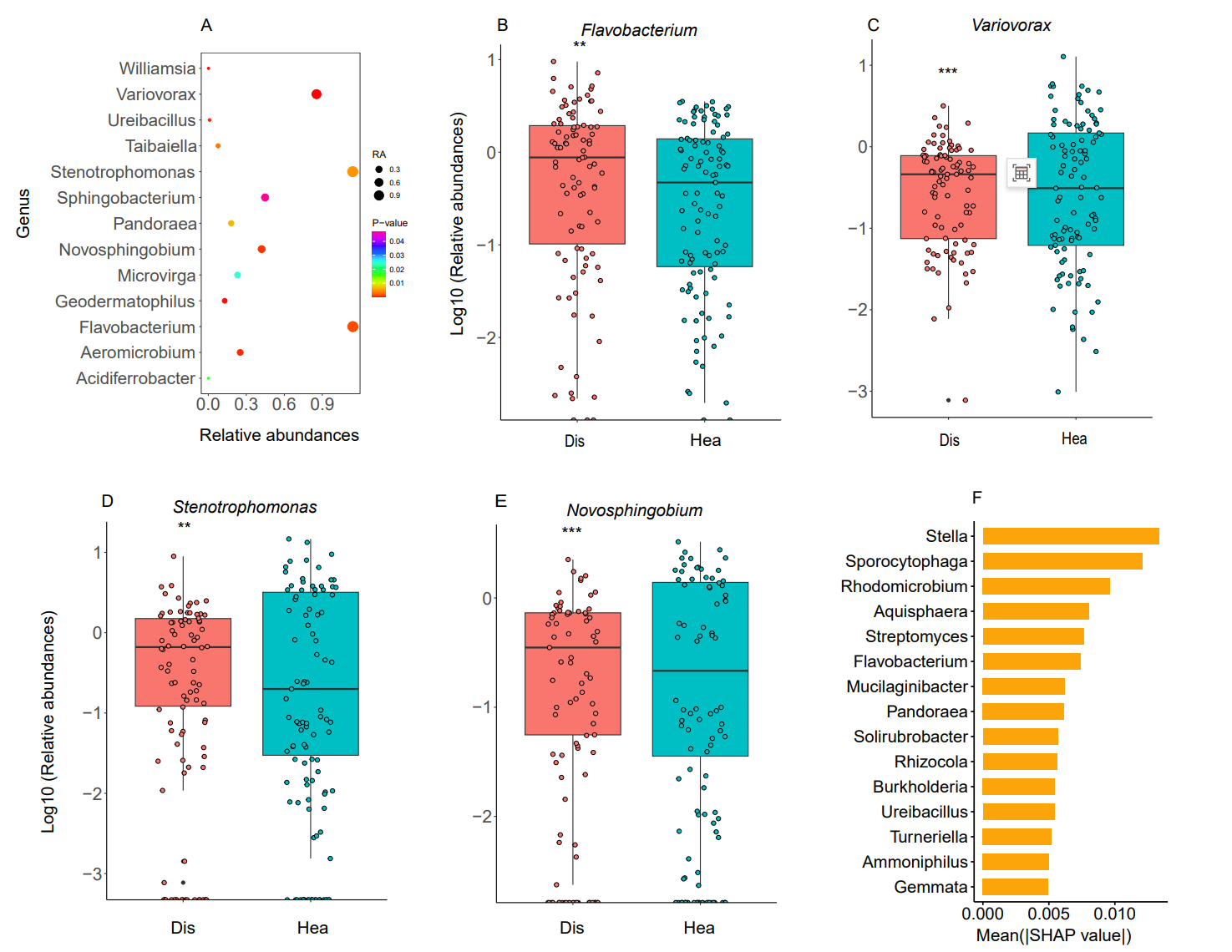
Figure 1: Characteristic biomarkers of the diseased rhizosphere microbiome
Dr. Su Lv, an associate researcher at the Biotechnology Research Institute, and Dr. Feng Haichao, a researcher at the School of Agriculture, Henan University, are the co-first authors of the study. Researchers Yan Yongliang from the Biotechnology Research Institute and Professor Zhang Ruifu from the College of Resources and Environmental Sciences, Nanjing Agricultural University, are the co-corresponding authors. The research was supported by projects such as the National Natural Science Foundation of China, the China Postdoctoral Science Foundation, and the Agricultural Science and Technology Innovation Program of the Chinese Academy of Agricultural Sciences.
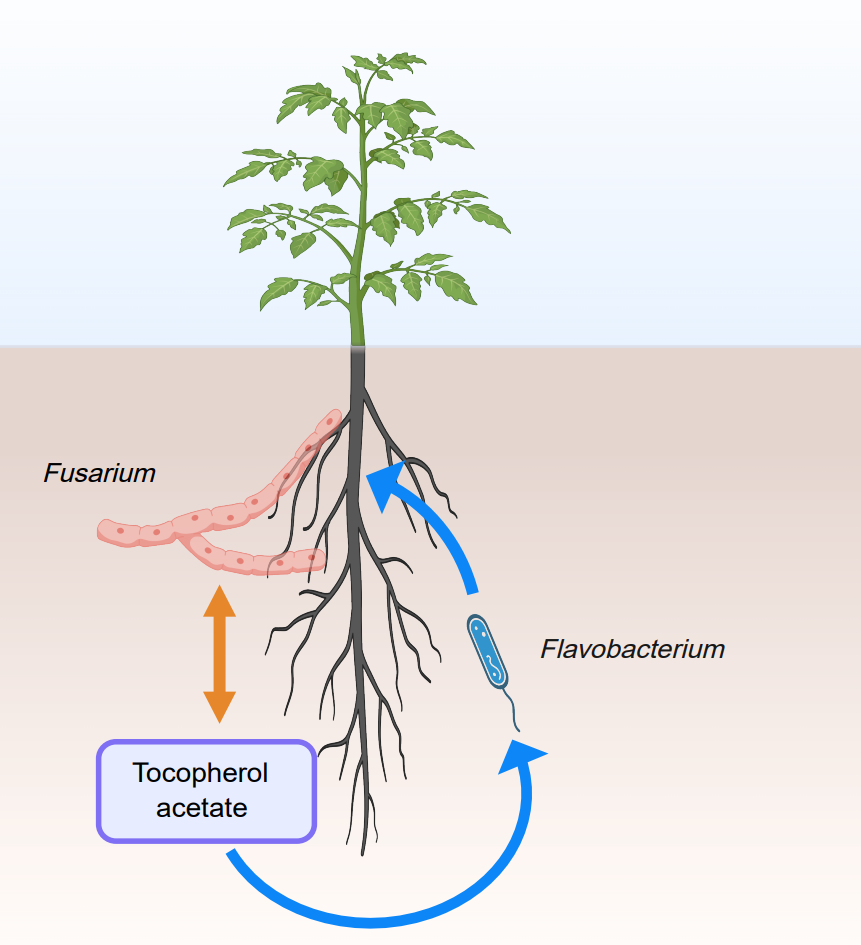
Figure 2: Schematic diagram of beneficial microbe recruitment and disease resistance mechanisms mediated by root exudates |